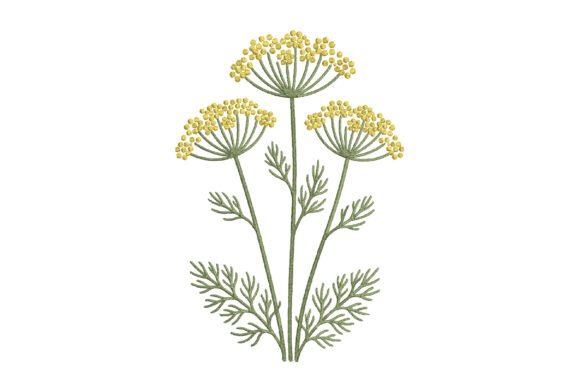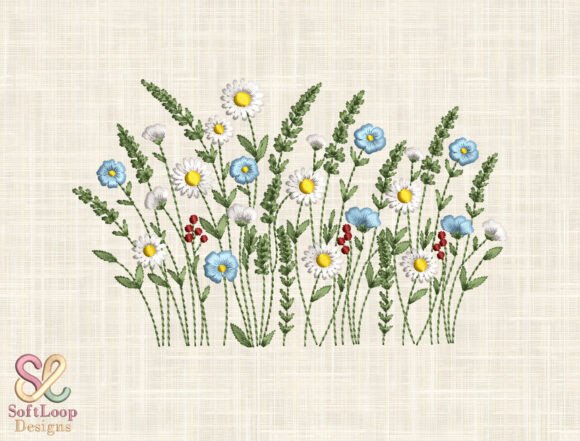
Wildflower Meadow Garden Embroidery File
A Designer’s Real-World Review for Personalized Gift Makers
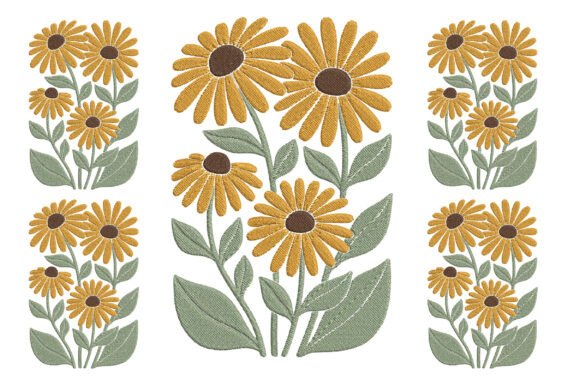
As an embroidery designer who’s tested hundreds of digital embroidery files for small shops, Etsy sellers, and custom gift studios, I approached the Wildflower Meadow Garden Embroidery File with both excitement and scrutiny. This isn’t just another floral motif—it’s a mood, a moment, a whisper of spring captured in thread. From the first glance at the design preview, it evokes gentle romance and quiet joy—perfect for customers seeking something heartfelt, not generic. It feels handmade, soft-edged, and intentionally unpolished—not stiff or overly symmetrical. That’s a huge win for personalized gift products where emotional resonance matters more than perfection.
Why This Design Fits So Many Meaningful Moments
The Wildflower Meadow Garden Embroidery File shines brightest when stitched onto items that carry personal significance. Imagine it blooming softly on a cotton baby blanket—its white blossoms and delicate stems suggesting innocence and new beginnings. For wedding gifts, it adds organic elegance to linen pillow covers or monogrammed kitchen towels—subtle enough for modern couples, warm enough for traditional celebrations. Nursery decor? Absolutely. Stitched on a muslin wall hanging or a breathable cotton onesie (with careful placement), it brings nature indoors without overwhelming tiny spaces.
Etsy sellers and craft fair vendors will find this file especially versatile. It works beautifully on natural-fiber tote bags, aprons for gardeners or bakers, and even lightweight quilt blocks for heirloom-style blankets. Because it reads as timeless—not trendy—it supports repeat listings across seasons. Customers browsing for a personalized gift don’t see “just another flower.” They see memory, intention, care. That perception lifts perceived value instantly.
Where It Shines—and Where to Pause
This design leans into charm over complexity. Its strength lies in flow, balance, and botanical suggestion—not hyper-realism. That makes it forgiving on many fabrics, but also means thoughtful placement is essential.
- Best for: Smooth cottons, linen blends, quilting weight fabrics, medium-weight tea towels, and stable knit blends (with proper stabilizer).
- Use carefully on: Thick terry cloth (like heavy bath towels), highly textured weaves (burlap, bouclé), stretchy baby clothes (unless stabilized with cutaway + tear-away combo), curved surfaces (like rounded mugs or curved tote straps), and dark fabrics—where subtle white-on-white stitching could disappear.
- Avoid for: Tiny lettering integration (the design doesn’t include text), ultra-fine detail work (e.g., eyelashes on embroidered dolls), or high-wear zones like pocket corners or bag handles unless stitch density is verified.
What Makes It Truly Gift-Ready
Giftability isn’t just about prettiness—it’s about how the finished product photographs, connects, and holds up. The Wildflower Meadow Garden Embroidery File delivers here. Its organic shape and airy composition photograph cleanly against neutral backdrops, making printable mockups easy to create for your Etsy listings or Instagram shop. Buyers respond to its authenticity: it doesn’t scream “mass-produced,” which builds trust with customers seeking genuine handmade product quality.
More importantly, it invites storytelling. A customer ordering a baby embroidery piece might share how wildflowers grew along her grandmother’s fence. Another might choose it for a wedding gift because the couple eloped in a meadow. That emotional hook increases engagement, encourages reviews, and supports word-of-mouth referrals—especially among boutique gift shops and independent wedding planners.
Practical Notes Every Embroiderer Should Check
Before stitching your first finished product, treat the Wildflower Meadow Garden Embroidery File like any professional machine embroidery design: test, verify, refine.
- Always run a test stitch on scrap fabric matching your final product’s weight and texture—even if you’ve used similar files before.
- Confirm thread color contrast, especially if stitching on off-whites or ecru linens. Bright white thread may look stark; cream or oatmeal tones often harmonize better.
- Verify hoop size compatibility. Does it fit comfortably in your most-used hoop? If it’s tight, consider repositioning or resizing slightly—but never scale beyond 10% without checking stitch integrity.
- Review stitch density. Overly dense fills can cause puckering on lightweight fabrics; too sparse may look unfinished on dark backgrounds. Adjust underlay or density settings if your machine allows.
- Choose stabilizer wisely. For towels or textured fabrics: medium tear-away + light cutaway. For baby items: soft cutaway for durability without stiffness.
- Compare light and dark fabric mockups side-by-side—not just on screen, but stitched. What reads clearly on ivory may vanish on charcoal.
- Inspect small details post-stitch: Are petal edges crisp? Do stems hold definition? Trim stray threads gently—don’t rush the finish.
- Confirm commercial licensing before selling finished goods. As a digital embroidery file, its use in commercial embroidery depends on the seller’s terms—always double-check before listing on Etsy or wholesale platforms.
Final Thoughts for Small Shop Owners & Crafters
The Wildflower Meadow Garden Embroidery File isn’t flashy—but that’s its superpower. In a market saturated with bold fonts and glitter motifs, it stands out by being quietly sincere. It fits seamlessly into collections labeled Single Flowers while offering far more versatility than typical solitary blooms. Whether you’re a baby product creator building a serene nursery line, a wedding gift designer curating keepsakes, or an Etsy seller refreshing your bestsellers, this digital embroidery file earns its place—not as filler, but as a signature piece.
It reminds us that the most meaningful personalized gift isn’t always the loudest one. Sometimes, it’s the gentlest: a meadow remembered, stitched with care.