Pastel Goth Skull Candy Embroidery
First Impressions: Sweet, Spooky, and Surprisingly Versatile
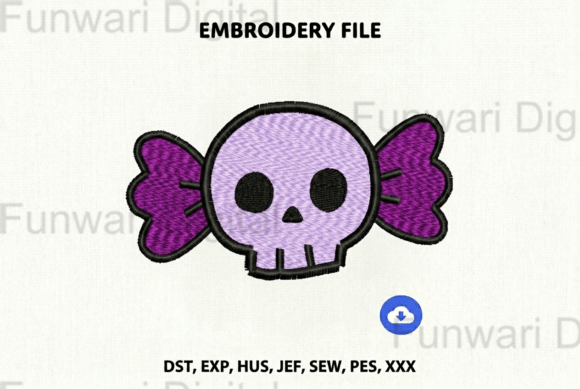
As an embroidery designer who’s tested hundreds of machine embroidery designs for personalized gift shops and Etsy sellers, I’ll say this upfront: Pastel Goth Skull Candy Embroidery lands with charm—not just Halloween flair. It’s not cartoonish or overly macabre. Instead, it balances soft pastel tones with subtle gothic motifs—think candy-coated skulls with delicate swirls, tiny bows, and gentle shading. The mood is playful yet refined, modern but timeless enough to avoid feeling dated by November 1st. It feels handmade, not mass-produced; sweet without being saccharine, spooky without crossing into scary. That duality makes it unusually flexible across customer segments—from new parents seeking nursery-ready whimsy to wedding gift designers curating “just us” keepsakes.
Where This Design Truly Shines in Personalized Gifting
Pastel Goth Skull Candy Embroidery excels where emotional resonance meets practical application. On a baby blanket? It reads as tenderly quirky—perfect for the parent who loves indie lullabies and vintage storybooks. Stitched onto a linen pillow cover for a nursery? It adds quiet personality without overwhelming the space. As a custom embroidered towel for a kitchen boutique? It transforms a functional item into a conversation starter—especially for Gen Z and millennial buyers who value aesthetic cohesion and subtle irony.
For wedding gifts, think beyond monograms: stitch it onto a velvet clutch or a hand-stitched guestbook sleeve. It’s unexpected, memorable, and deeply personal—ideal for couples who met at a vinyl record shop or bonded over midnight horror movie marathons. As a small shop product, it helps differentiate your Etsy listings from generic florals or script fonts. Even on a cotton tote bag for a local craft fair, it signals intentionality and design confidence.
It also works beautifully for blanket embroidery and apron customization—soft enough for cozy moments, bold enough to hold visual weight. And because its line work is clean and its shapes are well-proportioned, it scales gracefully across sizes. A 3-inch version on a onesie feels intentional; a 5-inch version on a throw pillow feels luxe.
Use With Care: Smart Placement Matters
Like any thoughtful embroidery file, Pastel Goth Skull Candy Embroidery rewards attention to context. Avoid placing it on highly textured fabric—like thick terry cloth towels—without testing first. The fine details (tiny candy dots, subtle skull contours) can blur if the surface is too plush or uneven. Similarly, stretchy baby clothes demand extra stabilizer and careful hooping; skip tight curves like sleeve cuffs unless you’ve confirmed stitch density holds up.
Dark fabric requires special attention: verify that your thread colors maintain contrast and legibility. Pastels pop on ivory or blush—but fade on charcoal or navy unless you adjust thread selection. And while the design avoids micro-lettering, any added personalization (like a name or date) should be kept minimal and placed away from the skull’s delicate features to preserve clarity.
Why It Elevates Your Handmade Product—and Your Customers’ Trust
Customers don’t just buy embroidery—they buy meaning, care, and perceived quality. Pastel Goth Skull Candy Embroidery delivers all three. Its balanced composition and intentional color harmony signal craftsmanship before the first stitch. When photographed well (on natural light, paired with matte ceramics or soft knit textures), it boosts buyer engagement significantly—Etsy sellers report higher click-through and conversion rates on listings featuring emotionally layered designs like this one.
More importantly, it builds trust. A shopper choosing a wedding gift or baby embroidery wants assurance that their purchase feels special—not templated. This design feels curated, not algorithmic. That perception lifts perceived value, supports premium pricing, and encourages repeat orders. It’s the kind of digital embroidery file that turns a one-time buyer into a loyal follower.
Practical Embroidery Notes You Can’t Skip
Before stitching your first finished product, run these checks:
- Test on scrap fabric—especially if using non-standard materials like bamboo blends or recycled cotton.
- Confirm hoop size compatibility with your machine and intended product (e.g., pillow covers often require larger hoops than onesies).
- Review stitch density: high-density areas near the skull’s eyes or candy swirls may need lighter tension or slower speed on delicate fabrics.
- Choose stabilizer wisely: tear-away for stable wovens, cut-away for knits, and lightweight fusible for sheer layers.
- Compare light and dark fabric mockups—a printable mockup helps visualize final impact before committing thread or time.
- Inspect small details post-stitch: check that candy highlights and bow loops remain crisp—not frayed or flattened.
- Verify commercial licensing before selling finished products. If the embroidery file permits commercial embroidery, keep records—it protects your small shop product legally and ethically.
And always match thread colors thoughtfully. The design’s charm lives in its soft contrast—mint against heather gray, lavender on oatmeal linen, dusty rose on ivory canvas. Don’t default to black or white unless it serves the vision.
A Design That Grows With Your Business
Pastel Goth Skull Candy Embroidery isn’t just a seasonal Halloween piece—it’s a year-round asset. Its emotional flexibility lets you pivot across collections: pair it with botanical motifs for spring baby embroidery, layer it with minimalist typography for wedding gift bundles, or feature it solo in a “Spooky & Soft” holiday capsule. For the Etsy seller juggling multiple niches—or the gift shop owner refreshing inventory quarterly—it offers consistency without repetition.
In short: this is the kind of machine embroidery design that makes customers pause mid-scroll, smile, and imagine it stitched onto something meaningful. That’s not just good design—that’s good business.