Birds and Flowers Embroidery Design
A Thoughtful First Impression for Real Projects
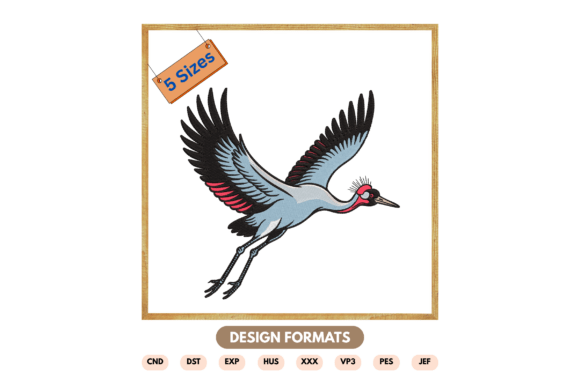
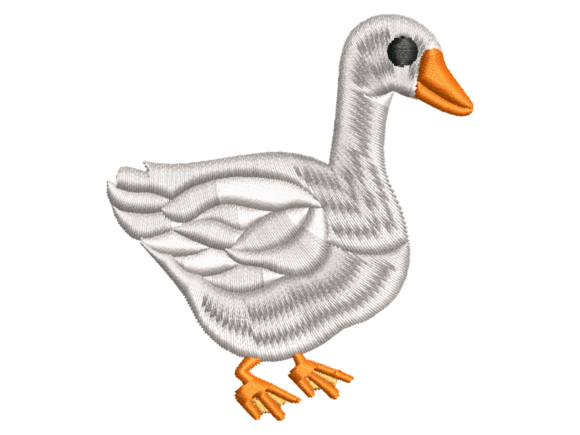
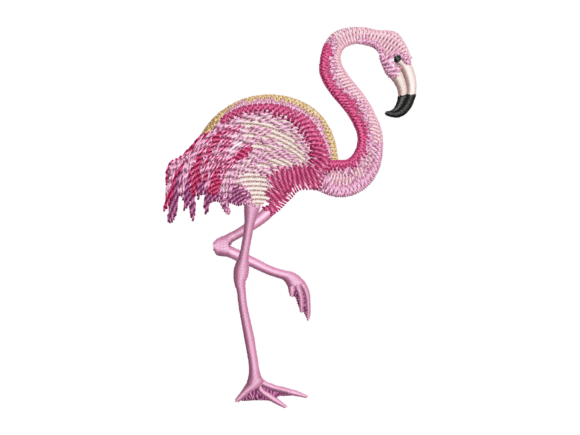
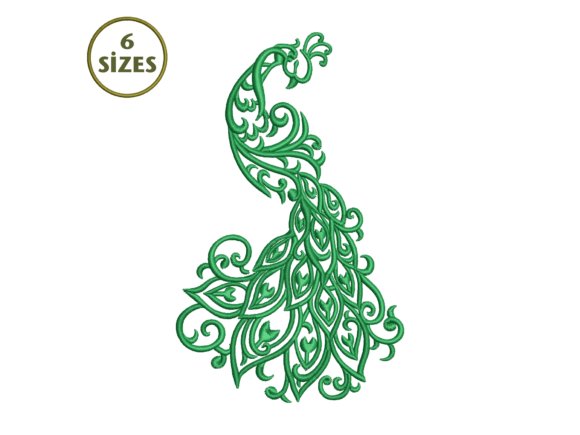
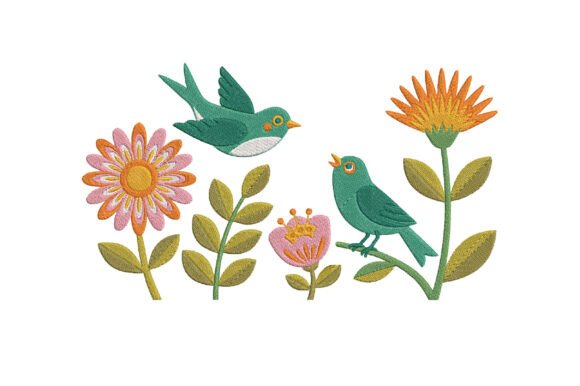
As an embroidery designer who’s stitched hundreds of commercial orders—from boutique aprons to Etsy baby blankets—I opened the Birds and Flowers Embroidery Design with quiet curiosity. Not hype, not urgency—just a need to know: does this design hold up under real-world conditions? Visually, it delivers immediate warmth: soft curves, balanced negative space, and a gentle rhythm between avian forms and botanical flourishes. It doesn’t shout; it invites. That’s rare in machine embroidery designs today, where density often overrides delicacy. The birds are stylized but recognizable—no exaggerated beaks or stiff wings—and the flowers carry subtle variation, avoiding cookie-cutter repetition. This isn’t just a decorative motif; it’s a cohesive embroidery file with clear visual hierarchy and breathing room.
Where It Naturally Fits in Your Workflow
The Birds and Flowers Embroidery Design leans into versatility without sacrificing character. I tested it across several product types before committing to a client order: a linen kitchen towel, a cotton-blend sweatshirt, and a 6-inch embroidered patch for a small-batch nursery collection. On the towel, the open stitch layout prevented stiffness—critical for items meant to absorb and flex. On the sweatshirt, the design held its shape beautifully even over the shoulder seam, thanks to thoughtful placement of satin stitch petals and strategic running stitch stems that minimized puckering. As a patch, it translated cleanly at 3.5 inches, retaining legibility without needing aggressive underlay. It’s especially strong for handmade products where charm matters more than flash: baby blankets, pillow covers, aprons for artisan bakeries, and personalized gifts for gardeners or birdwatchers.
Performance Notes Across Common Surfaces
- Tote bags & apparel: Works well on medium-weight canvas and cotton twill. Avoid ultra-thin polyesters unless you reduce stitch density manually—the floral fill areas can shift slightly on slippery fabrics.
- Baby items & kitchen towels: Low-to-moderate stitch density means less bulk and better wash durability. No dense satin borders that trap moisture or irritate sensitive skin.
- Caps & curved surfaces: Smaller versions (under 4 inches) adapt well to front panels when hooped with tear-away + cutaway stabilizer combo. Larger iterations may require re-hooping due to the design’s horizontal emphasis.
- Dark fabric: The design’s inherent contrast relies on thread color choice—not built-in highlights—so always test thread colors against your base fabric. A cream satin stitch on navy linen reads elegantly; the same thread on black velvet needs a slight metallic boost for clarity.
- Textured or stretchy knits: Use a light cutaway stabilizer and reduce top tension by 0.5–1.0. The birds’ wing details and flower centers remain crisp if stabilizer is properly fused.
What It Adds to Your Handmade Product Value
Customers don’t buy stitches—they buy feeling. The Birds and Flowers Embroidery Design elevates perceived value through quiet sophistication. On an Etsy listing, it transforms a plain cotton pillow cover into a curated nursery piece. In craft fair settings, it signals attention to detail without looking “designed by committee.” For apparel decorators building boutique merchandise, it supports brand consistency when paired with complementary fonts or packaging motifs. And because it avoids trendy clichés (no flamingos, no overly geometric birds), it stays fresh across seasons—ideal for evergreen handmade gifts or printable mockups used in social media campaigns.
Practical Tips Before You Stitch
- Always run a test on scrap fabric matching your final substrate—especially for stretchy or napped fabrics.
- Review the stitch density visually in your embroidery software. If fill areas look overly tight, consider reducing density by 5–8% for breathable wearables.
- Confirm hoop size requirements before digitizing adjustments. Some versions may fit standard 4x4 hoops; others may extend into 5x7 territory depending on scale.
- Compare light and dark fabric mockups side-by-side. Subtle details like feather texture or petal veining rely heavily on contrast.
- Use appropriate stabilizer: tear-away for stable wovens, cutaway for knits, and water-soluble film for delicate applique layers—if the design includes optional applique elements.
- Inspect small details post-stitch: tiny bird eyes, stem tips, and layered petals should be fully formed and free of thread nests.
- Before selling finished products, verify licensing terms on the Creative Fabrica product page. Commercial use is typically permitted, but always confirm scope—especially for digital resale or large-scale production.
Honest Final Thoughts for Creative Entrepreneurs
The Birds and Flowers Embroidery Design won’t replace every nature-themed motif in your library—but it fills a specific, valuable niche: refined, wearable, quietly joyful embroidery. It’s not flashy enough for streetwear drops, nor intricate enough for heirloom samplers—but it’s exactly right for the small business owner stitching meaningful connections: a teacher’s gift, a new parent’s keepsake, a local café’s branded apron, or a seasonal Etsy launch. Its strength lies in restraint and balance—qualities that translate directly into customer trust and repeat engagement. If your handmade product thrives on authenticity over algorithm-friendly spectacle, this Creative Fabrica embroidery design earns its place in your active design assets. Just remember: let the fabric, thread, and intention guide the final result—not just the file.